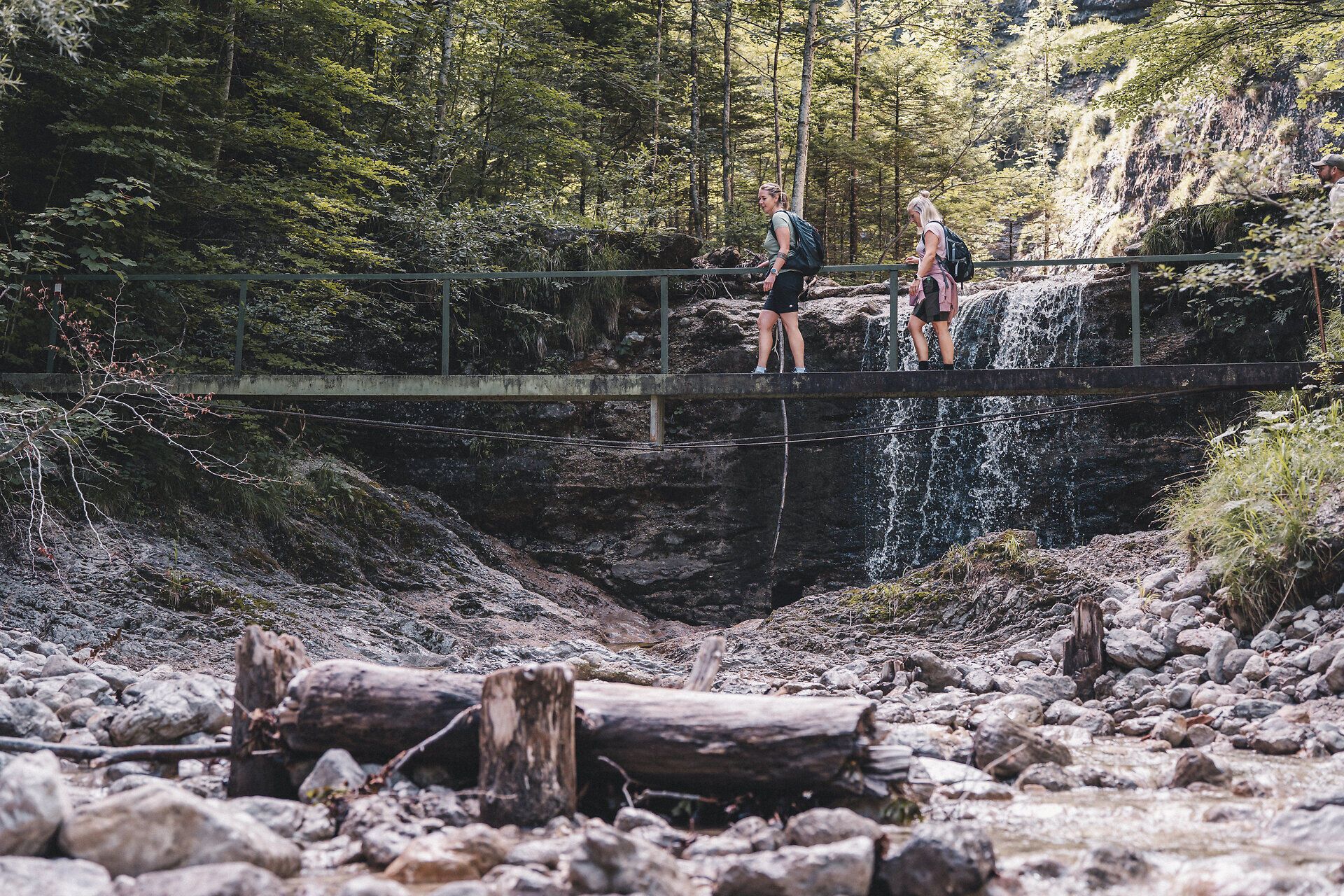
• Zwei Wandernde überqueren eine schmale Brücke vor einem kleinen Wasserfall in einer bewaldeten Schlucht, darunter ein steiniger Bachlauf mit Treibholz im Vordergrund.
    ©© Niederösterreich Werbung/Gerald Demolsky

Dürrenstein-Lassingtal Wilderness Area

  • 0
    Hectares of wilderness in the heart of Austria
  • 0
    hectares of unspoilt wilderness

UNESCO World Natural Heritage Site

In the Dürrenstein-Lassingtal wilderness area, nature reveals itself in all its original diversity. Around the unique Rothwald primeval forest, rare species of flora and fauna find a protected habitat – a fascinating UNESCO World Natural Heritage Site in the heart of the Ybbstal Alps.

©Katharina Pfligl

Wilderness is one of the rarest and, at the same time, most valuable habitats. In the Dürrenstein-Lassingtal wilderness area, nature can develop without human interference and thus reveal its full diversity. The Beech Forest Nature Trail offers special insights into this unique landscape. The strict rule of staying on the paths protects these sensitive habitats and enables visitors to experience the wilderness with respect.

Katharina Pfligl, Stv. Geschäftsführerin Wildnisgebiet Dürrenstein-Lassingtal

Biodiversity

The Dürrenstein-Lassingtal wilderness area provides a protected habitat for an extraordinary variety of animals, plants and fungi. Its pristine forests, alpine meadows, rocky landscapes and moors are home to red deer, chamois, golden eagles, Alpine salamanders and rare primeval forest species such as the white-backed woodpecker, amongst others. Beech, fir and spruce forests, species-rich mountain vegetation and more than 600 species of large fungi make the area a valuable refuge for biodiversity.

The wilderness shifts us humans from the centre of the universe, transforming us from the ‘managers’ of the world into silent observers who curb their desires and grant all natural processes the right to self-determination.

Reinhard Pekny (*1959)

Experience the wilderness up close

Guided excursions offer fascinating insights into the habitats, flora and fauna, and natural processes of the Dürrenstein-Lassingtal wilderness area. The varied programme allows visitors to experience the unique features of this unspoilt landscape first-hand.

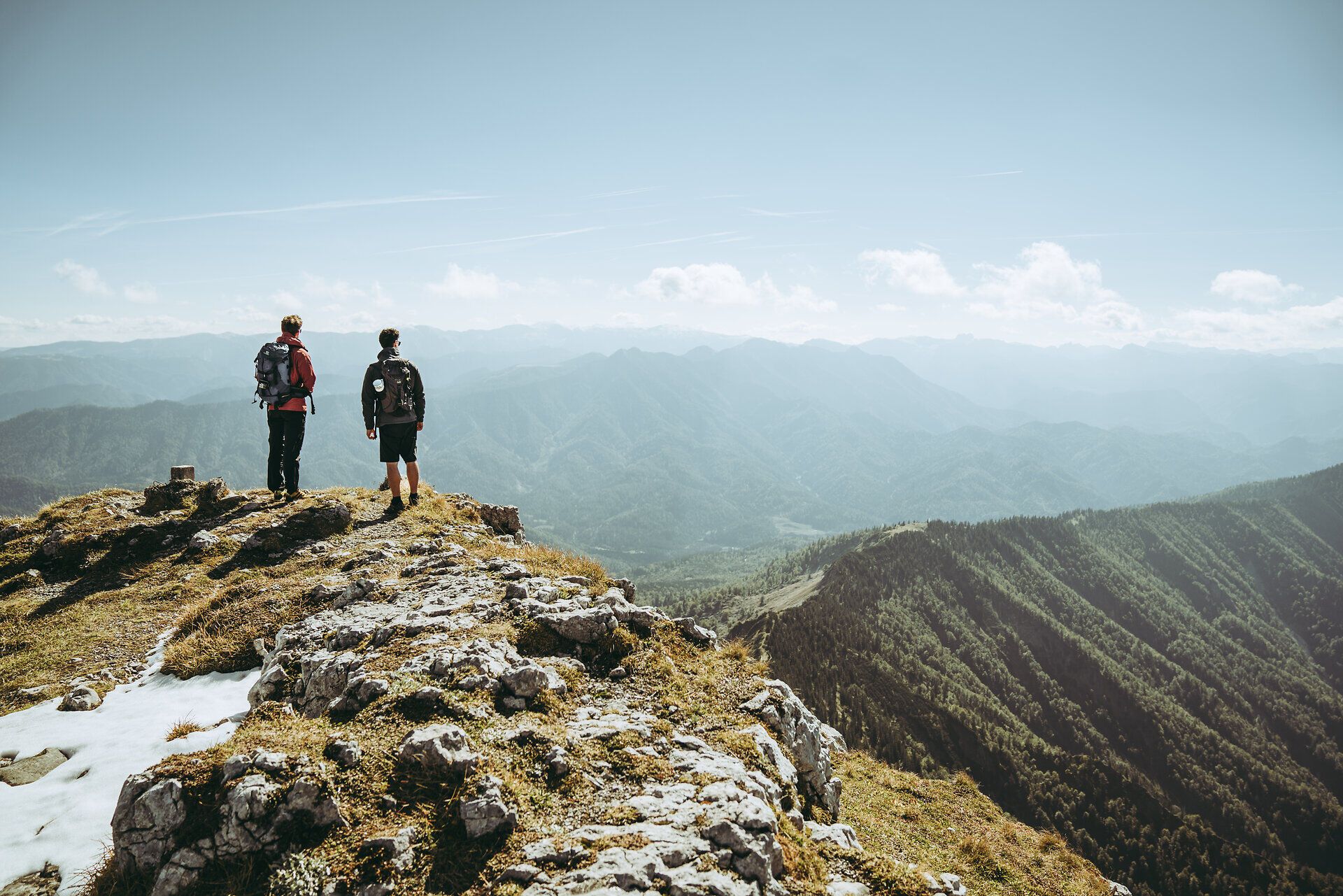
  • Zwei Wanderer stehen am Gipfel und genießen den atemberaubenden Blick über die Ybbstaler Alpen. Die frische Bergluft und die majestätischen Landschaften laden dazu ein, die Seele baumeln zu lassen und die Schönheit der Natur zu erleben.
    ©© Niederösterreich Werbung/Max Mauthner

    Lynx Trail

    Long-distance walking route

  • Panoramic tour of the Leckermoos high moor
    ©weinfranz.at

    Hochmoor Leckermoos (Moorweg)

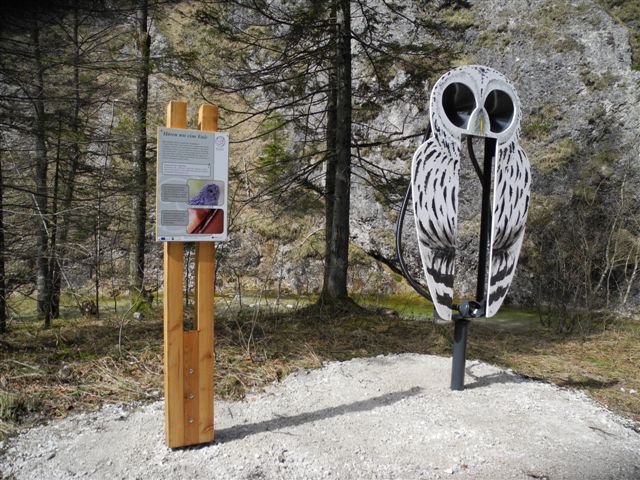
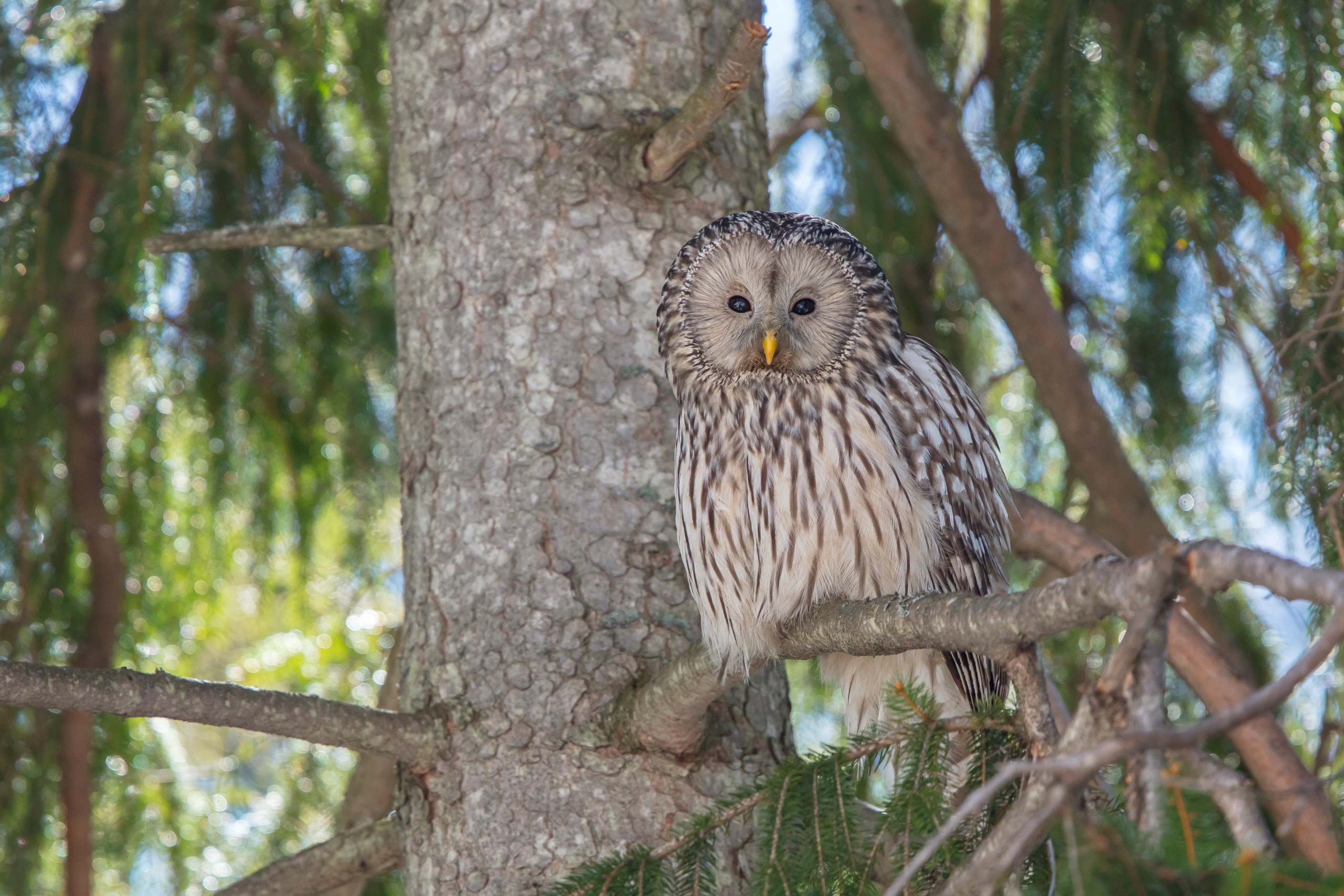
  • Owl trail in the Dürrenstein wilderness area
    ©Reinhard Pekny

    Wilderness hike (Owl trail with extension to the Tremel)

  • On Eulenweg
    ©Christoph Leditznig

    Owl Trail in the Dürrenstein Wilderness Area

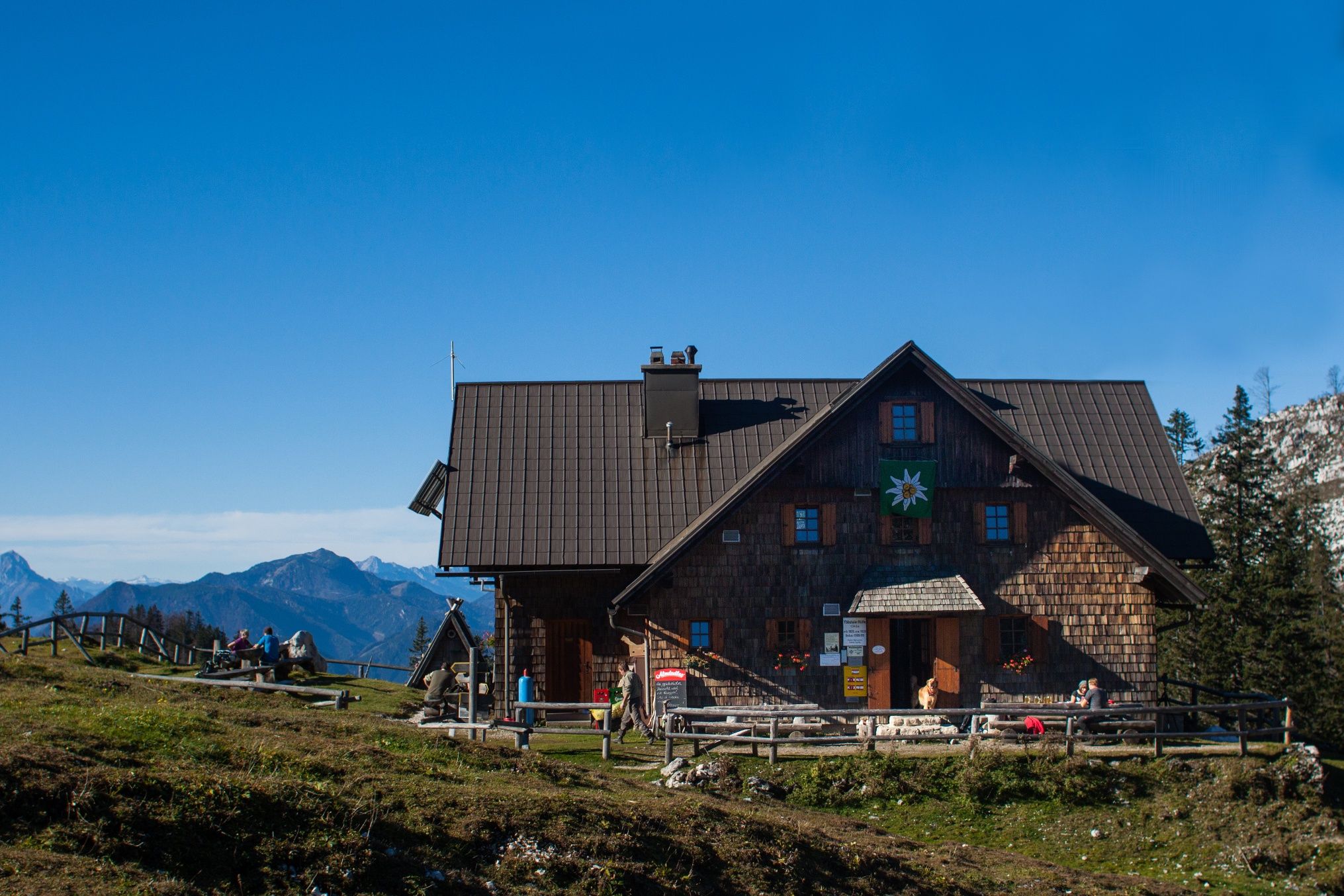
  • Ybbstaler Hut
    ©TV Lunz am See

    Hiking to Dürrenstein

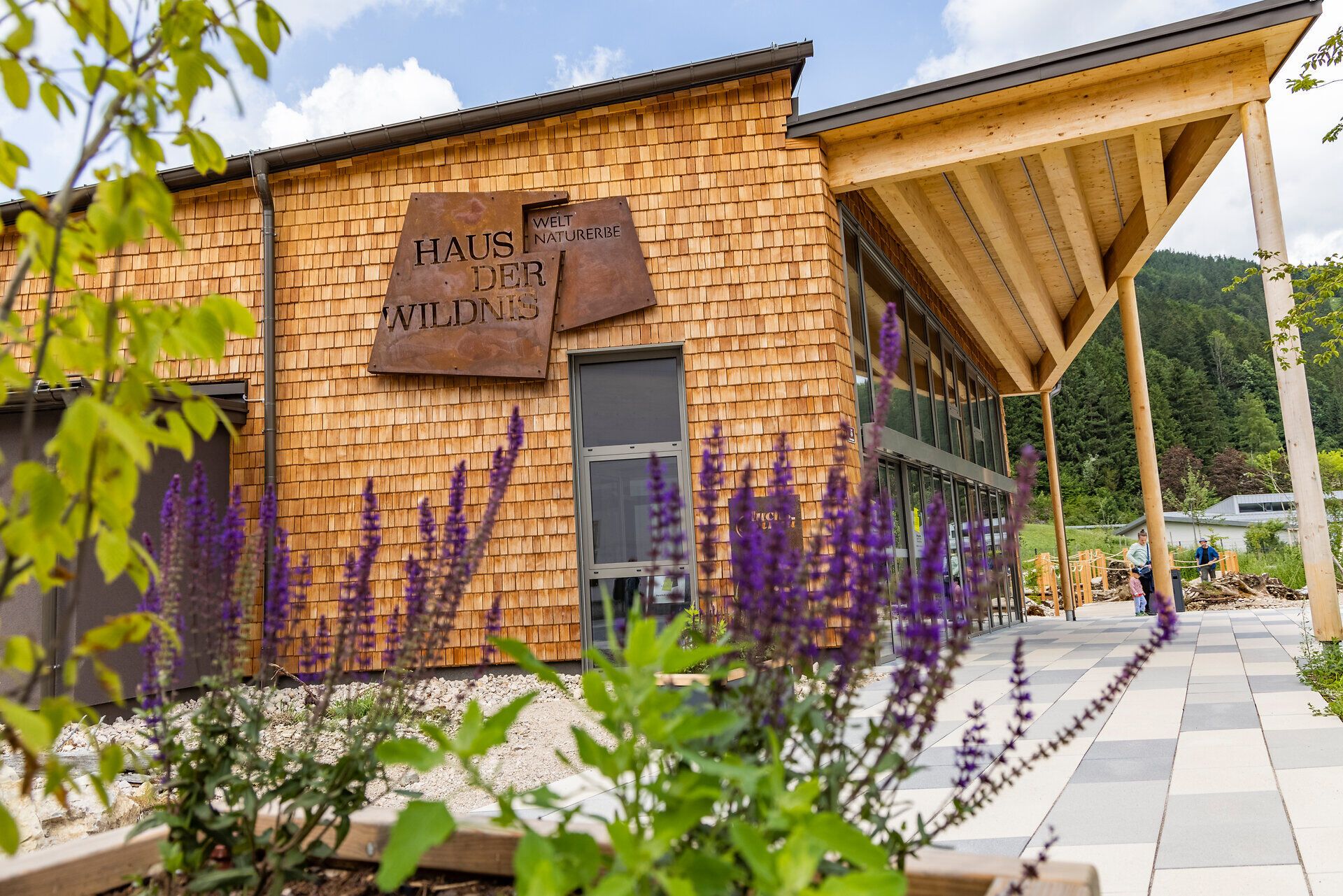
Das Haus der Wildnis strahlt eine einladende Atmosphäre aus, umgeben von der majestätischen Natur des Wildnisgebiets Dürrenstein-Lassingtal. Die harmonische Verbindung von Holz und Glas schafft einen perfekten Ort, um die Schönheit der Umgebung zu genießen und mehr über die heimische Flora und Fauna zu erfahren.
©© Theo Kust

House of the Wilderness

The Haus der Wildnis in Lunz am See brings the unique features of the Dürrenstein-Lassingtal wilderness area to life in a modern and interactive way. The exhibition offers fascinating insights into the largest primeval forest in the Alpine arc and vividly illustrates ecological interrelationships, natural processes and the importance of unspoilt nature.

To the House of the Wilderness
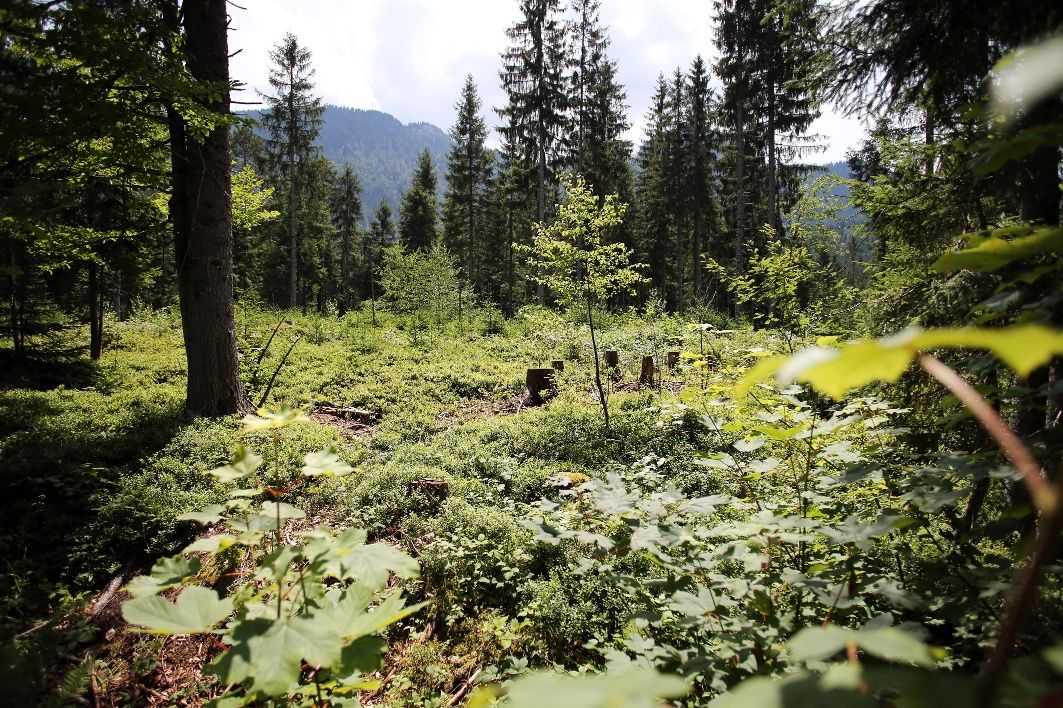
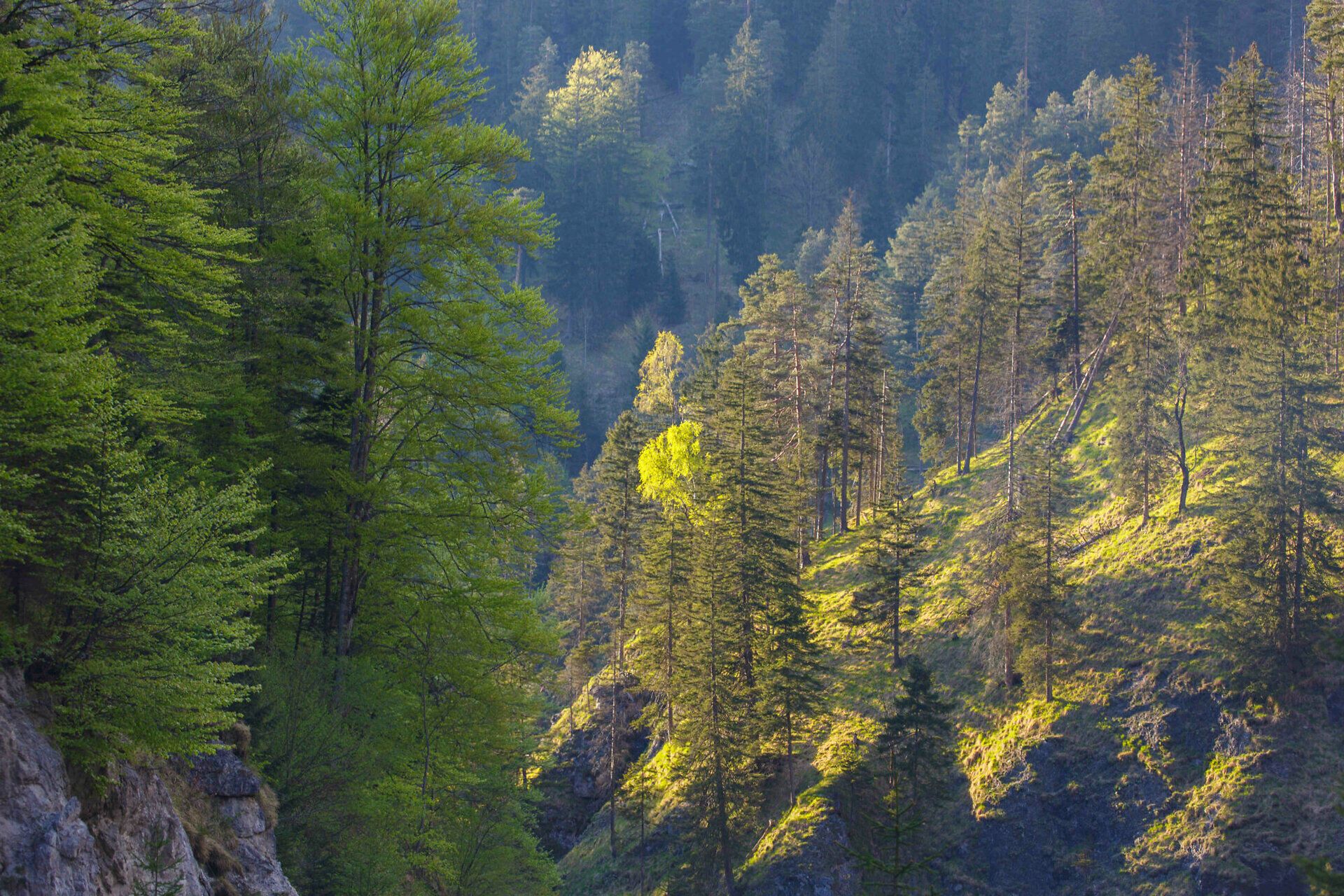
Inmitten der majestätischen Berge entfaltet sich ein zauberhaftes Spiel von Licht und Schatten. Die frischen, grünen Blätter der Bäume strahlen im Sonnenlicht und laden Wanderer ein, die unberührte Natur zu erkunden. Hier, wo die Stille der Wälder mit dem sanften Rauschen des Baches harmoniert, findet jeder Besucher einen Ort der Ruhe und Erholung.
©© Hans Glader

A piece of unspoilt nature through the ages

vor 20.000 Jahren

The forest returns

After the end of the last Ice Age, the Alpine region slowly began to become green again. Lichens, mosses and grasses were followed by shrubs and the first tree species. Over the course of millennia, spruce, fir and, finally, European beech gradually spread

5.500 vor Christus

The first humans settle down

The first human settlements emerged in the Lunz area during the Neolithic period. 

750 vor Christus

Ore mining

With the start of ore mining, timber became an increasingly important raw material. This also led to greater pressure on the forests for timber – to this day, the name ‘Eisenwurzen’ serves as a reminder of this period.

1074

Admont Benedictine Abbey

With the founding of the Benedictine Abbey of Admont, the abbey also laid claim to those areas whose watercourses flowed into the River Enns.

1330

A border dispute protects the primeval forest

A centuries-long dispute flared up between the Gaming Charterhouse and Admont Abbey over the area around Dürrenstein and Rothwald. As a result, a large part of the primeval forest was spared from deforestation.

1782

Expropriation by Joseph II.

Following the dissolution of the Gaming Charterhouse, its estates passed to the state. The remote location and the difficulties involved in transporting timber helped to preserve parts of the primeval forest, yet the areas of untouched woodland were becoming increasingly smaller.

1875

The primeval forest is placed under protection

Albert Rothschild was the first to deliberately place the Rothwald primeval forest under protection. In doing so, he laid the foundations for preserving this special forest area for future generations.

1942

The Rothwald I is to become a nature reserve

Covering 277 hectares, a large part of the primeval forest has been officially designated a nature reserve.

1988

The nature reserve is being extended

With the addition of the Rothwald II extension, further sections of the primeval forest have been incorporated into the nature reserve. As a result, the total area under protection has increased to 576 hectares.

1990

Rothwald III Project

Following a severe Sturm, the ‘Edelwies’ windthrow area, covering just under ten hectares, was left untouched for research purposes. This gave rise to the idea of linking it to the existing Rothwald I and II protected areas.

1997-2002

Austria’s first wilderness area is being created

Austria’s first wilderness area was created as part of a LIFE project. By linking several sub-areas, the protected area now covers a total of 2,388 hectares.

2003

International recognition by the IUCN

The IUCN recognised the wilderness area as a strict nature reserve and wilderness area. Since then, the focus has been not only on rare species and unique forests, but above all on the protection of natural processes free from human interference.

2003-2006

Restoration of the Leckermoos

The nature reserve management took over the management of the 25-hectare Leckermoos and began the restoration of this valuable high moor.

2010-2013

Expansion of the wilderness area

Several expansions have added further areas at Hochkirch, near the entrance to the primeval forest, as well as in the Freyngraben and at Wandbach-Mitterberg. As a result, the wilderness area has grown to around 3,500 hectares.

2014

Re-designation of the protected area

Several nature reserves in Lower Austria have been re-designated and merged to form the ‘Dürrenstein Wilderness Area’.

2017

Designation as a UNESCO World Natural Heritage Site

Together with the Kalkalpen National Park, the wilderness area was designated as Austria’s first UNESCO World Natural Heritage Site. This makes it one of the world’s most significant natural sites.

2021

Expansion into Styria

With the expansion into the Lassingtal valley in Styria, the protected area doubled to around 7,000 hectares. Since then, the area has been known as the “Dürrenstein-Lassingtal Wilderness Area”.

2021

Opening of the House of the Wilderness

The House of the Wilderness is an exhibition that explains ecological interrelationships and offers insights into the primeval forest. It demonstrates what wilderness means and why protecting it is vital for our future.

2023

Expansion of the UNESCO World Natural Heritage Site

The valuable beech forests in the Styrian part of the wilderness area have also been included in the UNESCO World Natural Heritage Site. This means that another significant natural area has received international recognition.

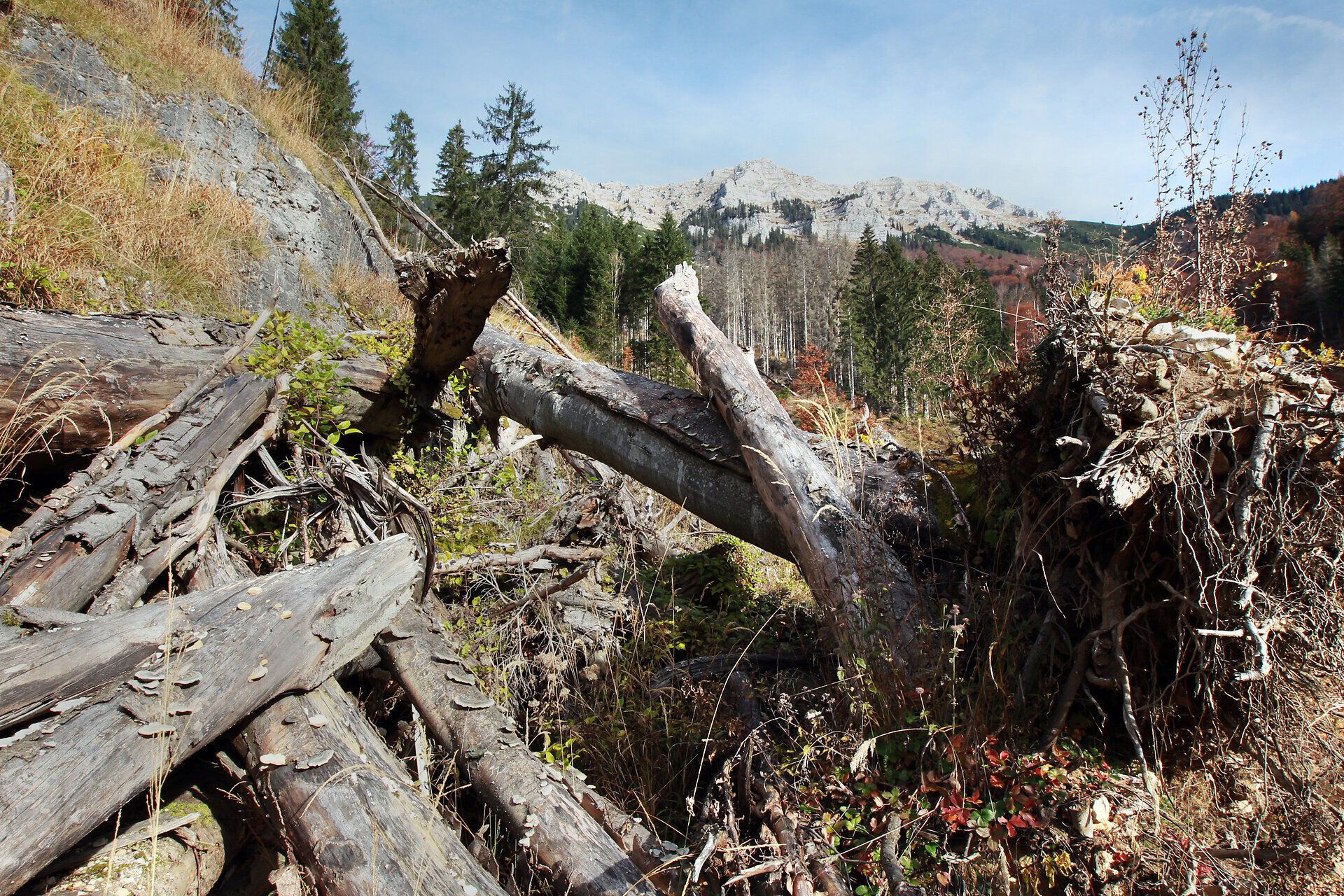
Im Wildnisgebiet Dürrenstein erstreckt sich eine faszinierende Landschaft, in der verwitterte Baumstämme und üppige Vegetation harmonisch miteinander verschmelzen. Die ruhige Atmosphäre und die majestätischen Berge im Hintergrund laden dazu ein, die unberührte Natur in vollen Zügen zu genießen.
©© weinfranz.at